
Tactical Refinements: Enhancing FC Midtjylland's Recent Performances
As FC Midtjylland continues to battle through the league season, their recent performances have sparked discussions among fans and analysts alike. While the Wolves have shown moments of brilliance, inconsistencies have crept into their game, particularly in key matches that could have bolstered their standings. A thorough tactical analysis reveals both strengths and weaknesses in the current setup, laying the groundwork for potential tweaks that could reinvigorate the squad.
Strengths in the Current Setup
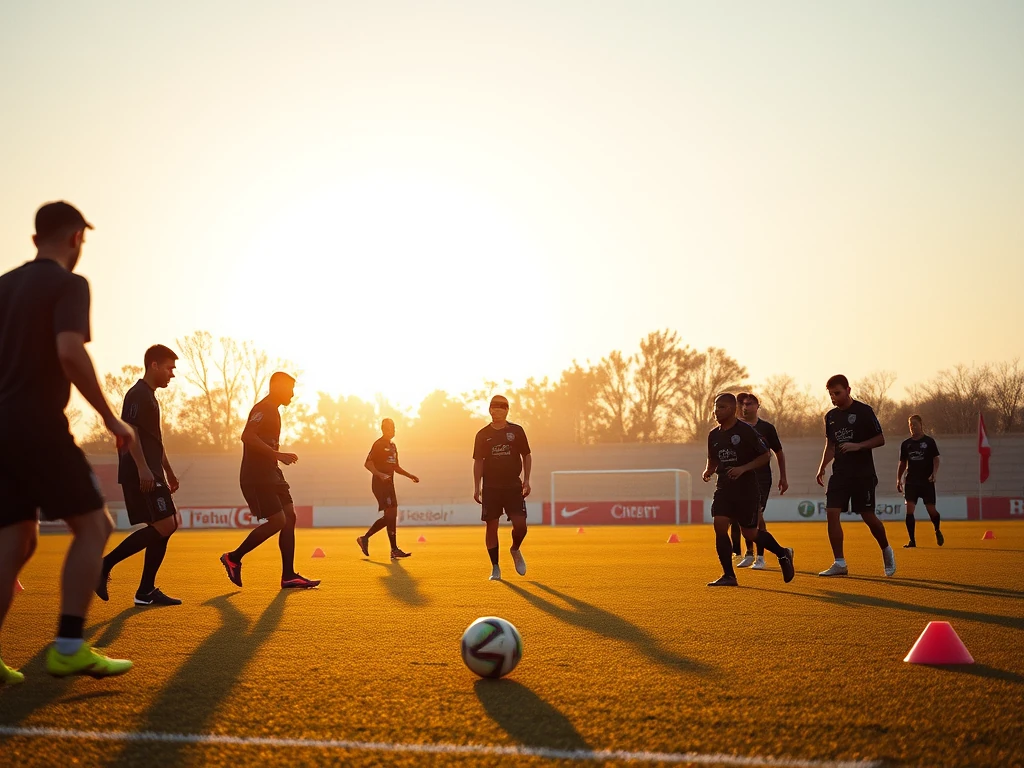
One notable strength of FC Midtjylland this season has been their ability to control possession, particularly in midfield. With players like Frank Onyeka and Mikkel Andersen orchestrating play, the Wolves often dominate the ball and dictate the tempo. This is key not only for creating scoring opportunities but also for frustrating opponents who struggle to regain possession.
Also, the team’s pressing game has been effective in disrupting the opposition's build-up, especially in home fixtures at the Stadium. The Wolves are known for their aggressive high press, which has led to a number of turnovers in dangerous areas. However, reliance on this approach without adequate cover can sometimes leave them vulnerable on the counter, a point that requires careful consideration as they adapt their tactics.
Areas for Improvement
One of the most glaring weaknesses has been the defensive organization during transitions. Opponents have capitalized on gaps left by full-backs who venture too far forward in search of attacking support. This has led to scenarios where the Wolves are left exposed, leading to conceding easy goals on the break. Tightening the defensive structure during these moments is essential. Implementing a more structured approach with a double pivot in midfield could provide the necessary cover to shield the backline.
Additionally, the attacking output has been inconsistent. While the Wolves have players capable of brilliance, such as Gustav Isaksen and Sory Kaba, the link-up play in the final third needs refinement. A tweak in formation, such as shifting to a 4-2-3-1, could facilitate better synergy among the forwards and provide additional support in midfield. This would allow for a more fluid attack, where players can interchange positions and exploit defensive weaknesses more effectively.
Suggested Tactical Tweaks
1. Implement a Double Pivot: Adjusting to a double pivot in midfield would give FC Midtjylland greater stability defensively. This would involve players like Onyeka and Andersen playing deeper, allowing them to break up opposition plays more efficiently while also providing a platform for quick transitions.
2. Reassess Full-Back Roles: While attacking full-backs are an asset, it is vital to establish clear positional discipline. Encouraging full-backs to be more conservative when the team is out of possession can help maintain defensive shape and prevent counterattacks.
3. Fluid Front Three: Experimenting with a fluid front three in a 4-2-3-1 formation could enhance creativity and unpredictability in the attacking phase. By allowing forwards to interchange positions, it could create confusion in opposition defenses and lead to more scoring opportunities.
4. Enhanced Pressing Triggers: While the high press has been effective, establishing clearer pressing triggers can help the team to be more cohesive in their approach. Instead of pressing as a unit, specific cues can be communicated, enabling players to conserve energy while still maintaining pressure on the ball.
Conclusion
FC Midtjylland has the potential to build on its strengths while addressing the vulnerabilities that have surfaced in recent performances. By implementing these tactical tweaks, the Wolves can not only solidify their league standing but also keep pushing towards their ambitions in the Danish league. As the season progresses, fans will be eager to see how these adjustments impact the team's performances on the pitch.