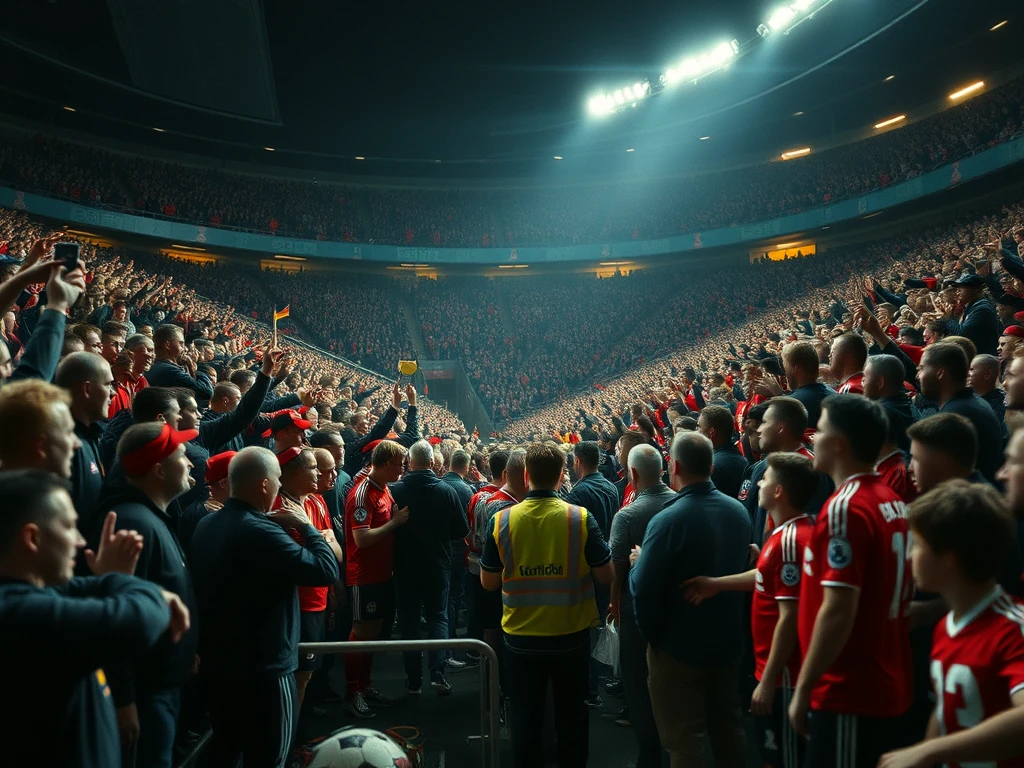

In the late 1990s, Danish football found itself at a crossroads, dominated by a few historical clubs like FC København and Brøndby IF. However, the establishment of FC Midtjylland in 1999 heralded a new chapter in the landscape of Danish football, as the club sought to disrupt the status quo and carve out its own identity. The inception of this ambitious club was not only about football; it was a vision to create a competitive force that would resonate throughout Denmark and beyond.
From the outset, FC Midtjylland embraced a modern and analytical approach to football, something relatively unheard of in a league traditionally steeped in history and legacy. The club's founders, including local entrepreneurs and football visionaries, aimed to blend local talent with strategic recruiting, focusing on both youth development and the integration of international players who could bring fresh perspectives to the pitch. This innovative mindset allowed The Wolves to quickly ascend through the ranks of Danish football, culminating in their first Superliga title in 2015, but the groundwork was laid long before that triumph.
One of the most notable moments in this early phase was the club's impressive run in the 2000-01 season, where FC Midtjylland finished third in the Danish 1st Division, securing promotion to the top tier. This achievement marked a significant milestone. The Wolves played their home games at the newly built MCH Arena, a venue that not only provided a modern facility for the team but also fostered a passionate fanbase eager to support their local club.
As FC Midtjylland continued to grow, it developed a reputation for its unique playing style, characterized by a blend of physicality and tactical discipline. The club’s scouting network became one of its strongest assets, identifying and nurturing talent such as Mikkel Duelund and Jakob Poulsen, who would go on to make significant contributions to the team. This focus on youth and strategic player development allowed FC Midtjylland to challenge the traditional giants in the Superliga, creating a fierce rivalry with teams like Aalborg BK, which further amplified the competitive spirit in Danish football.
The Wolves also made headlines with their application of sports science and analytics, setting a precedent in the league. They were among the first clubs in Denmark to harness data analytics for player performance and fitness management, a trend that would soon be adopted by other teams seeking to keep pace with this innovative club. The foresight of the club’s management not only influenced on-field performance but also solidified FC Midtjylland’s reputation as a forward-thinking organization.
As we reflect on this major era for FC Midtjylland, it is clear that the club did not simply emerge as a participant in the Danish football scene; it redefined expectations and inspired a new generation of clubs to adopt a more modern approach to the beautiful game. The legacy of this pioneering spirit continues to influence FC Midtjylland today, as they strive to maintain their status as a formidable force in Danish football, pushing boundaries and setting new standards for excellence.